top of page

Blog
High value content on Stabilometry, Baropodometry and Virtual Reality.
All you need to know!
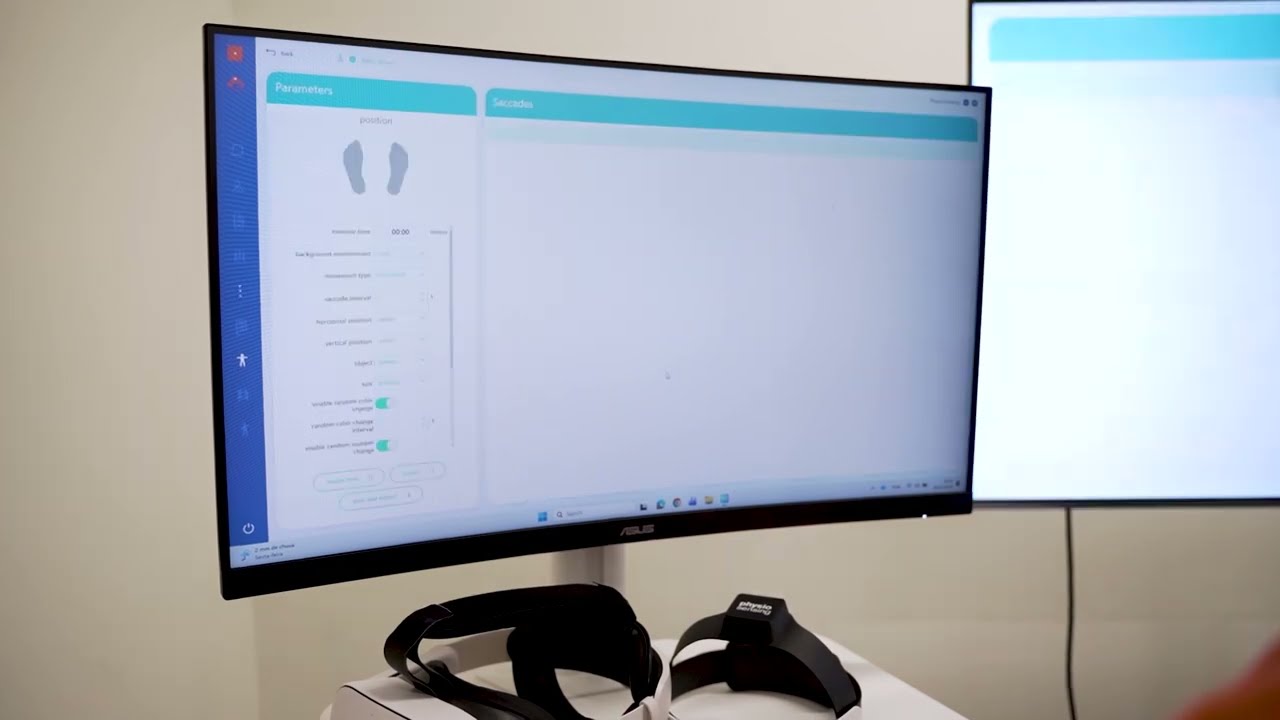
Not All Eye Exercises Are the Same: VOR Training vs. Oculomotor Training in Vestibular Dysfunction and Concussion
The visual and vestibular systems work in tight coordination to keep the world stable as we move through it. When this integrated system is disrupted, whether through peripheral vestibular hypofunction or after a traumatic brain injury (TBI), patients commonly experience dizziness, blurred vision, difficulty reading, visual fatigue, and challenges with balance. Although some rehabilitation programs for these conditions may appear similar on the surface, the underlying mechani

Ana Souto
Feb 3


Limits of Stability Test: What It Is, How It Works, and Clinical Benefits
Limits of Stability is a functional and gold-standard test in balance assessment, widely used by clinicians and researchers to evaluate dynamic balance control and fall risk. This method measures how far and how well a person can shift their center of pressure (CoP) within their base of support, critical for maintaining balance during daily activities. It is essential for identifying postural control deficits, predicting fall risks, and tracking patient progress in neurologic
Ana Souto
Jun 26, 2025


Modified Clinical Test of Sensory Interaction in Balance - mCTSIB. How to perform and interpret the results!
How to perform mCTSIB and how to interpret the results.
Ana Souto
Feb 22, 2024


The True Nature of Balance Disorders
Balance disorders, often overlooked and misunderstood, can have a profound impact on an individual's daily life, making even simple tasks a formidable challenge. From feeling dizzy and lightheaded to experiencing unexplained falls, balance disorders encompass a range of symptoms that can be both frustrating and debilitating. In this article we will explore different causes for balance dysfunction and patient populations that do suffer from it, let us discuss the true nature o
Ana Souto
Dec 11, 2023


Neurologic Disorders -Assessment and Treatment of Balance
Part III - Rehabilitation Program with PhysioSensing 1. Balance and Stability – Sagittal Goal: To improve postural control, while trying to distribute body weight equally on both feet to reach a stable (balance) position. Balance and Stability - Sagittal Exercise Interface Balance and Stability - Sagittal Exercise Parameters Definition of exercise’s parameters: Tolerance: 15% - Tolerance is the weight percentage margin allowed so that the indicator remains green. To decr
Ana Souto
Oct 2, 2023


Limits of Stability > The most used protocol for balance assessment
The Limits of Stability (LOS) is perhaps the most used protocol in the literature for balance assessment in a dynamic task.

Cláudia Tonelo
Apr 19, 2022
bottom of page