top of page

Blog
High value content on Stabilometry, Baropodometry and Virtual Reality.
All you need to know!
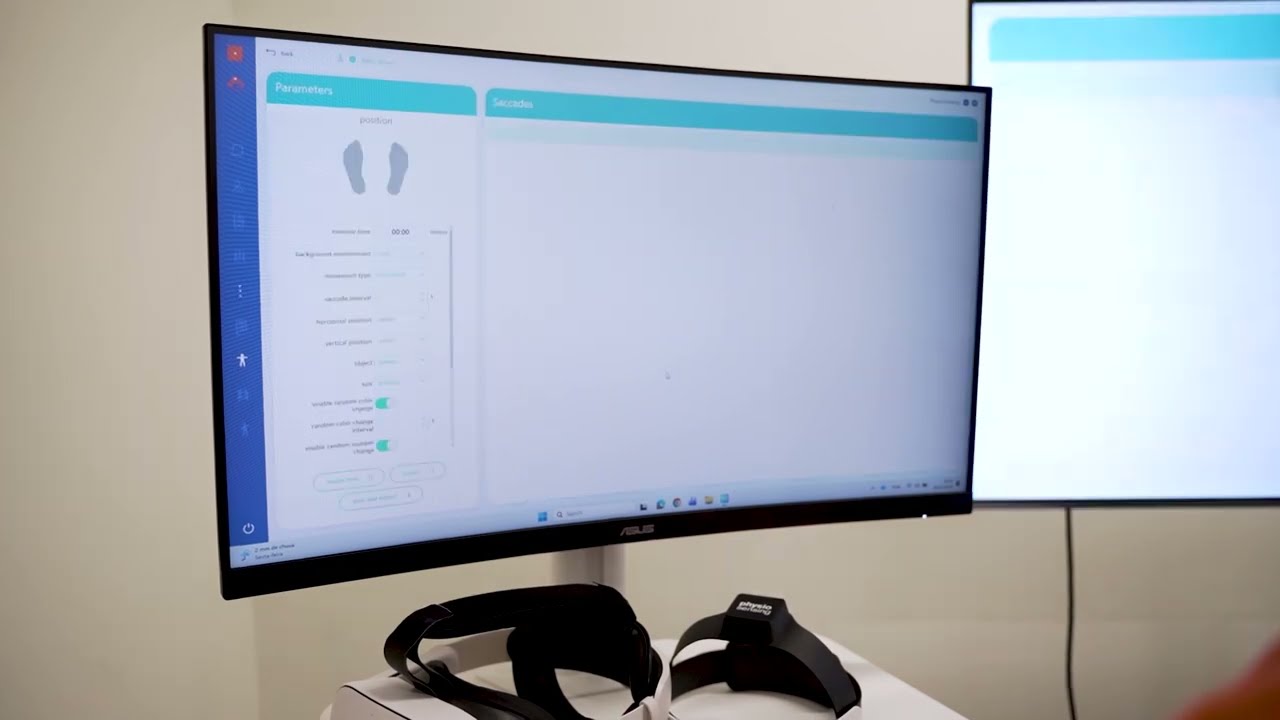
Not All Eye Exercises Are the Same: VOR Training vs. Oculomotor Training in Vestibular Dysfunction and Concussion
The visual and vestibular systems work in tight coordination to keep the world stable as we move through it. When this integrated system is disrupted, whether through peripheral vestibular hypofunction or after a traumatic brain injury (TBI), patients commonly experience dizziness, blurred vision, difficulty reading, visual fatigue, and challenges with balance. Although some rehabilitation programs for these conditions may appear similar on the surface, the underlying mechani

Ana Souto
Feb 3

Visual‑Vestibular Integration Assessment: Understanding Dizziness and Balance Disorders
Optokinetic stimulation (OKS) is an important tool in this context. OKS consists of exposure to large‑field moving visual stimuli, introducing controlled visual motion that creates a sensory conflict. This conflict forces the brain to reweight sensory information and reveals how effectively visual and vestibular signals are integrated.
Ana Souto
Jan 23


VNG Eye – Videonystagmography Solution for Balance Disorders
Introduction VNG Eye is an advanced Videonystagmography (VNG) device designed to provide precise and reliable assessments of vestibular function. This article will explore what a VNG device is, how it works, and why the VNG Eye is a game-changer in the field of balance disorder diagnostics. VNG Eye Front & Side Profile What is a VNG device? A VNG device is a cutting-edge, computerized system that captures, records, and analyzes eye movements to assess vestibular function. It

Karan Somawat
Mar 17, 2025
bottom of page