top of page

Blog
High value content on Stabilometry, Baropodometry and Virtual Reality.
All you need to know!


Cervicogenic Dizziness: What It Is, Why It Happens, and How to Treat It
Cervicogenic Dizziness: What It Is, Why It Happens, and How to Treat It -A clear, evidence‑based guide for clinicians and patients. Dizziness is a common complaint among adults, describing sensations such as lightheadedness, disequilibrium, or a feeling of heaviness in the head. According to the Bárány Society, dizziness reflects a disturbed or impaired spatial orientation without a hallucinatory sense of motion. Emerging evidence suggests that cervical spine dysfunction may

Ana Souto
Feb 6
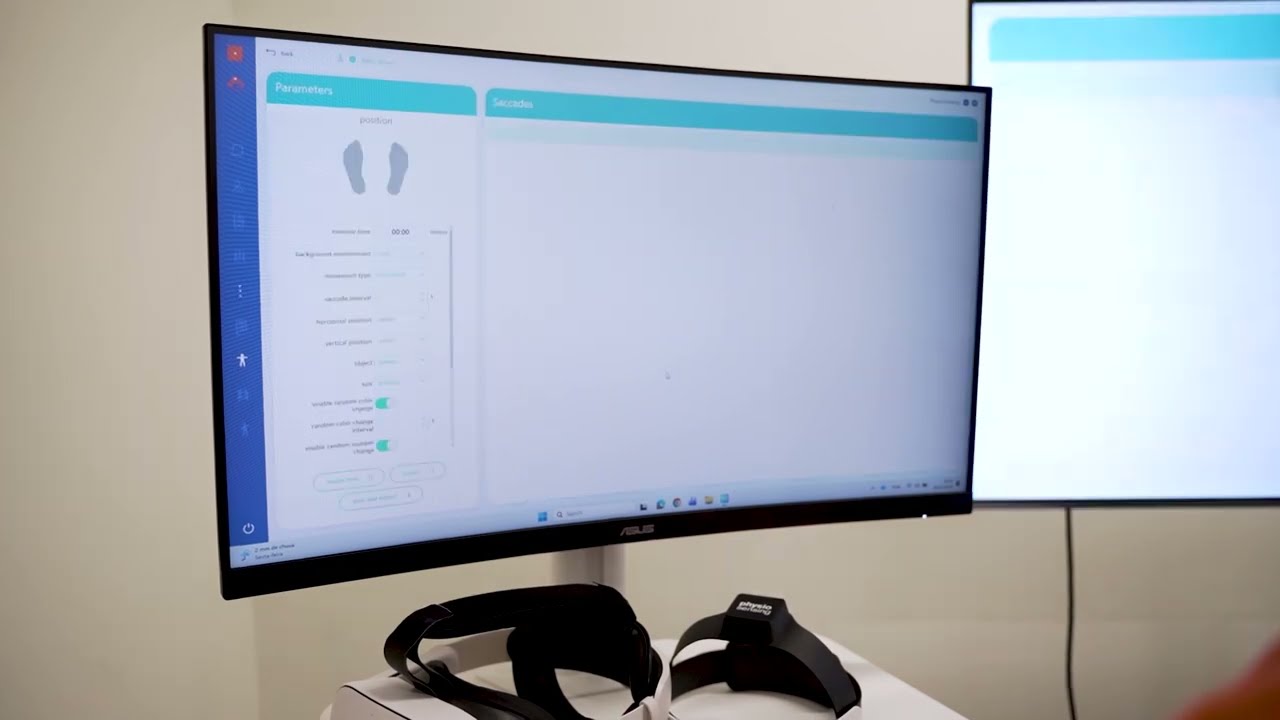
Not All Eye Exercises Are the Same: VOR Training vs. Oculomotor Training in Vestibular Dysfunction and Concussion
The visual and vestibular systems work in tight coordination to keep the world stable as we move through it. When this integrated system is disrupted, whether through peripheral vestibular hypofunction or after a traumatic brain injury (TBI), patients commonly experience dizziness, blurred vision, difficulty reading, visual fatigue, and challenges with balance. Although some rehabilitation programs for these conditions may appear similar on the surface, the underlying mechani
Ana Souto
Feb 3

Vestibular Rehabilitation: Achieving Habituation through Virtual Environments
Complaints of dizziness and a feeling of unsteadiness in visually complex environments, such as in grocery stores, during traffic, and among crowds, are frequent in patients suffering from vestibular disorders. One explanation for this is the higher reliance on visual information in these patients for postural orientation. The fear and anxiety associated with these daily life scenarios often lead to avoidance behaviour, which in turn increases the sensitivity to it. It is hig
Ana Souto
Jan 27

Assessing Cervical Proprioception in Dizziness and Instability: The Joint Position Error Test
Neck afferent information is important for coordinated head, neck, and upper-extremity movements, as well as for maintaining body position and spatial orientation. When distorted, it can heavily contribute to altered cervical sensorimotor control, which can heavily affect balance and stability and lead to symptoms of dizziness and unsteadiness (Peng et al., 2021). Considering this, evaluation of cervical proprioception may be the missing key to better management of dizzy pati
Ana Souto
Jan 26

Visual‑Vestibular Integration Assessment: Understanding Dizziness and Balance Disorders
Optokinetic stimulation (OKS) is an important tool in this context. OKS consists of exposure to large‑field moving visual stimuli, introducing controlled visual motion that creates a sensory conflict. This conflict forces the brain to reweight sensory information and reveals how effectively visual and vestibular signals are integrated.
Ana Souto
Jan 23


Otoneuro System: Transforming Vestibular Assessment and Rehabilitation with Integrated Technology
The Otoneuro System marks a significant shift in how vestibular care is delivered. It offers clinicians a powerful and intuitive solution that enhances accuracy, structure and confidence at every stage of the rehabilitation journey.
From objective assessment to immersive therapeutic intervention, the Otoneuro System represents the future of vestibular rehabilitation.
Ana Souto
Jan 16


Balance Assessment Made Simple: Why the Basic Platform Is Perfect for Beginners
The Basic Balance System was designed specifically to address these concerns. It offers a practical, affordable, and user-friendly solution for professionals who want to begin offering balance assessments and training.
Ana Souto
Aug 18, 2025


Virtual Reality for Vestibular Rehabilitation: A Modern Approach
Many individuals also develop visual dependence, relying too heavily on their vision to maintain balance. This can make visually complex environments - Learn how VR can help your patients
Ana Souto
Jul 9, 2025


VNG Eye – Videonystagmography Solution for Balance Disorders
Introduction VNG Eye is an advanced Videonystagmography (VNG) device designed to provide precise and reliable assessments of vestibular function. This article will explore what a VNG device is, how it works, and why the VNG Eye is a game-changer in the field of balance disorder diagnostics. VNG Eye Front & Side Profile What is a VNG device? A VNG device is a cutting-edge, computerized system that captures, records, and analyzes eye movements to assess vestibular function. It

Karan Somawat
Mar 17, 2025


A Case Study - Assessment and treatment of balance dysfunction using PhysioSensing pressure plate in a patient with chronic stroke sequelae
1. Introduction Stroke is the third leading cause of mortality and morbidity globally, with a predicted rise in prevalence creating an increased demand for rehabilitation services. Balance dysfunction, a common sequela post-stroke, significantly impairs daily activities and heightens fall risk. This case study investigates the impact of a 15-session balance exercise program, incorporating PhysioSensing balance plate with visual biofeedback and interactive games, on improving
Ana Souto
Sep 23, 2024


Modified Clinical Test of Sensory Interaction in Balance - mCTSIB. How to perform and interpret the results!
How to perform mCTSIB and how to interpret the results.
Ana Souto
Feb 22, 2024


Sit to Stand balance protocol, how to use it?
The Sit-to-Stand (STS) is a well-known test to quantify the ability of the patient to lift from a sitting position to a standing position.

Cláudia Tonelo
Feb 28, 2022


12 Protocols for Balance Assessment with force/pressure plate
List of 12 balance assessment protocols with force plate. A brief resume, clinical reports and main applications.
Cláudia Tonelo
Sep 3, 2021
bottom of page